Clearing the land
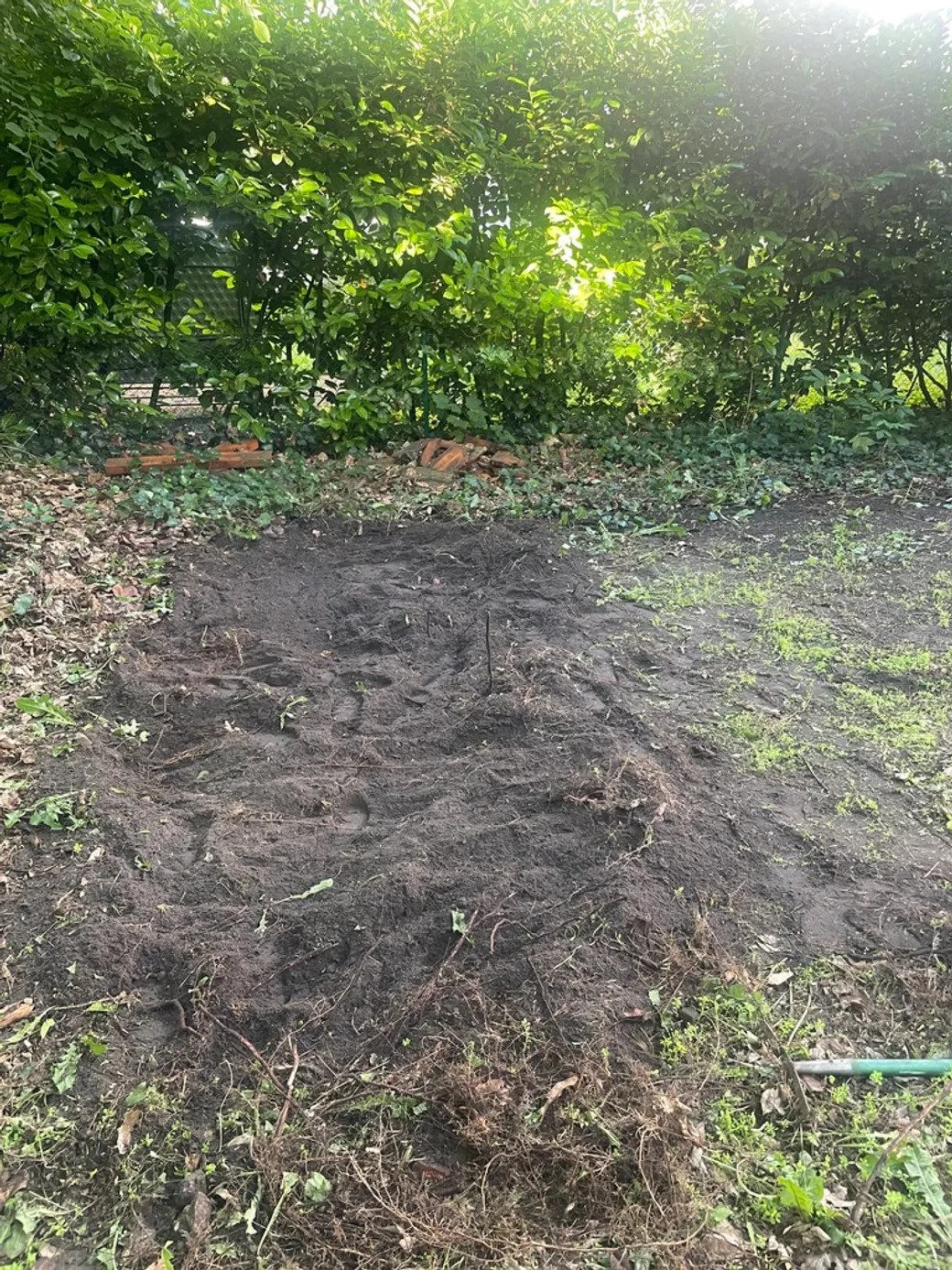
Our first sprint was all about starting clean. We cleared debris and overgrowth,
got a feel for the plot, and noticed straight away that the soil is sandy — which
means drainage is fast and water doesn't stay long. That single observation shaped
everything we planned next.
Goal for the sprint: a clear, tidy plot we could actually work with. Done.
Epic record
01
Set a goal
- Problem
- The plot was not ready for planting: debris, overgrowth and unknown soil conditions made every next decision uncertain.
- Current context
- We were starting with a shared garden space in Hamburg and needed a simple first win that everyone could understand.
- Planned solution
- Clear the workable area, observe the soil, and document what the ground was telling us before buying or planting more.
02
Apply it
- Research
- Basic sandy-soil care · First-pass plot cleanup · Beginner-friendly sprint planning
- Strategy
- Start with observation and access. Do the work that makes the next decision easier.
- What we did
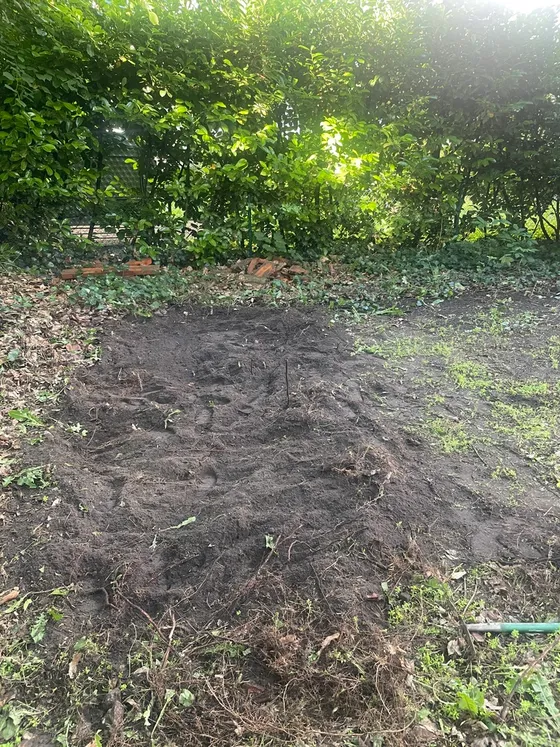
- We removed debris and overgrowth, opened up the plot, and looked closely at how the soil behaved.
03
Leave it better
- Improvement
- The plot became clearer, safer and easier to work in.
- Result
- A tidy first working area and a clear next insight: compost and moisture retention would matter.
04
Learnings
- Learnings
- The soil drains quickly and behaves sandy, so water retention matters. · Clearing first made the space easier to discuss and divide into future tasks. · The first sprint should stay small enough that people can see visible progress.
Next signals
- Start first crops in a controlled way.
- Add organic matter to help sandy soil hold moisture.
- Create a simple watering rhythm.