First plantings
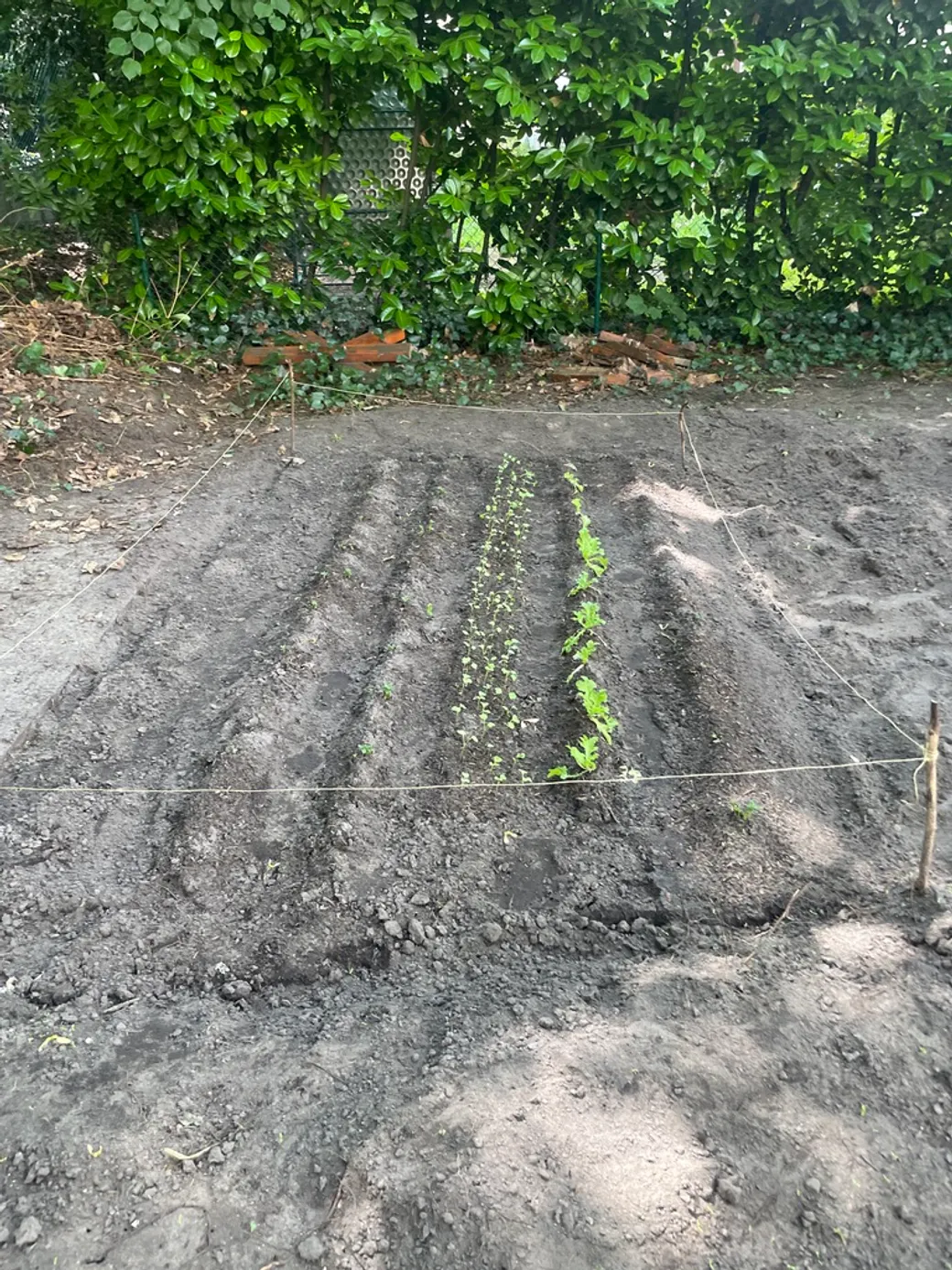
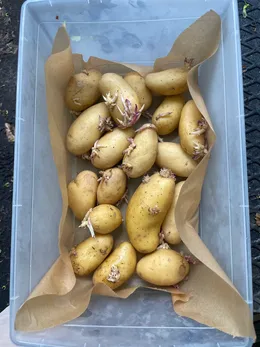
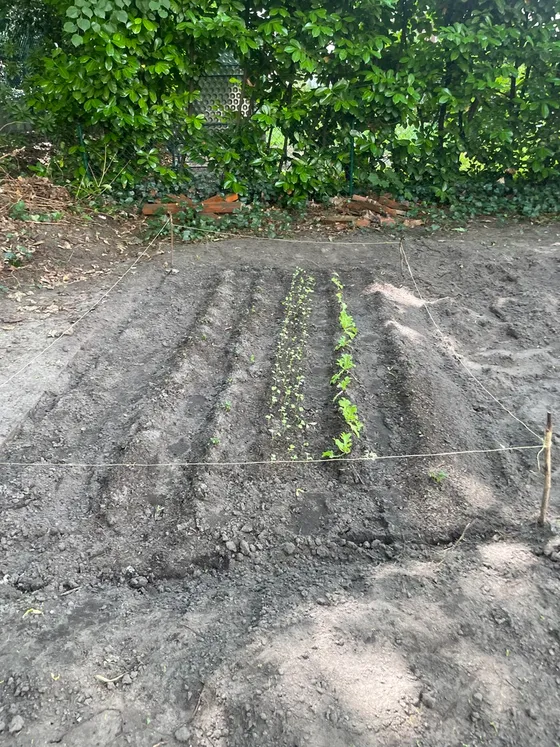
Second sprint, hands in the soil. We planted three rows of potatoes, around 25
seed potatoes in total. We also sowed one radish row with three inner lines,
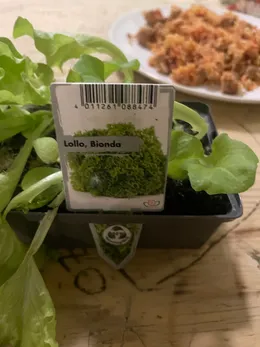
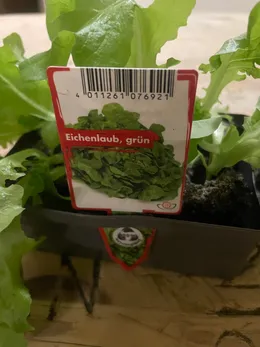
roughly 90 radishes, and one lettuce row with 12 plants: 6 Lollo Bionda and 6
Eichenlaub grün. With sandy soil on our minds, we began working in compost to
help the ground hold moisture and feed the plants.
Goal for the sprint: get our first crops in the ground and set up a watering rhythm.
Next on the backlog: composting properly.
Epic record
01
Set a goal
- Problem
- After clearing, the garden needed its first productive planting while still respecting the sandy soil and beginner skill level.
- Current context
- We had identified fast drainage, so the first crops needed to be forgiving and easy to observe.
- Planned solution
- Plant potatoes, radishes and lettuces in clear rows, add compost, and watch how watering behaves in the first growing cycle.
02
Apply it
- Research
- Pre-sprouting potatoes before planting · Transplanting lettuce starter plants · Spacing potatoes, radishes and lettuces in rows
- Strategy
- Prepare the planting material first, then move to the bed with clear quantities and rows instead of improvising in the soil.
- What we did
- We prepared the planting material first: potatoes were left to sprout, and the lettuce starter plants were ready for transplanting. Then we planted three rows of potatoes, around 25 seed potatoes in total. We also sowed one radish row with three inner lines, roughly 90 radishes, and one lettuce row with 12 plants: 6 Lollo Bionda and 6 Eichenlaub.
03
Leave it better
- Improvement
- The garden moved from cleared space to active growing space.
- Result
- First crops planted, compost introduced, and a watering rhythm added to the backlog.
04
Learnings
- Learnings
- The potatoes were prepared before planting by letting the first shoots grow, so we could see which pieces were ready for the soil. · The lettuces were starter plants, not seeds, so the job was to transplant 6 Lollo Bionda and 6 Eichenlaub into one clear row. · Preparing the plants first made the bed work faster and helped us keep the rows intentional.
Next signals
- Improve composting properly.
- Track watering frequency.
- Photograph plant progress over the next cycle.